Project Hail Mary in 4DX — and What Gets Lost in Translation
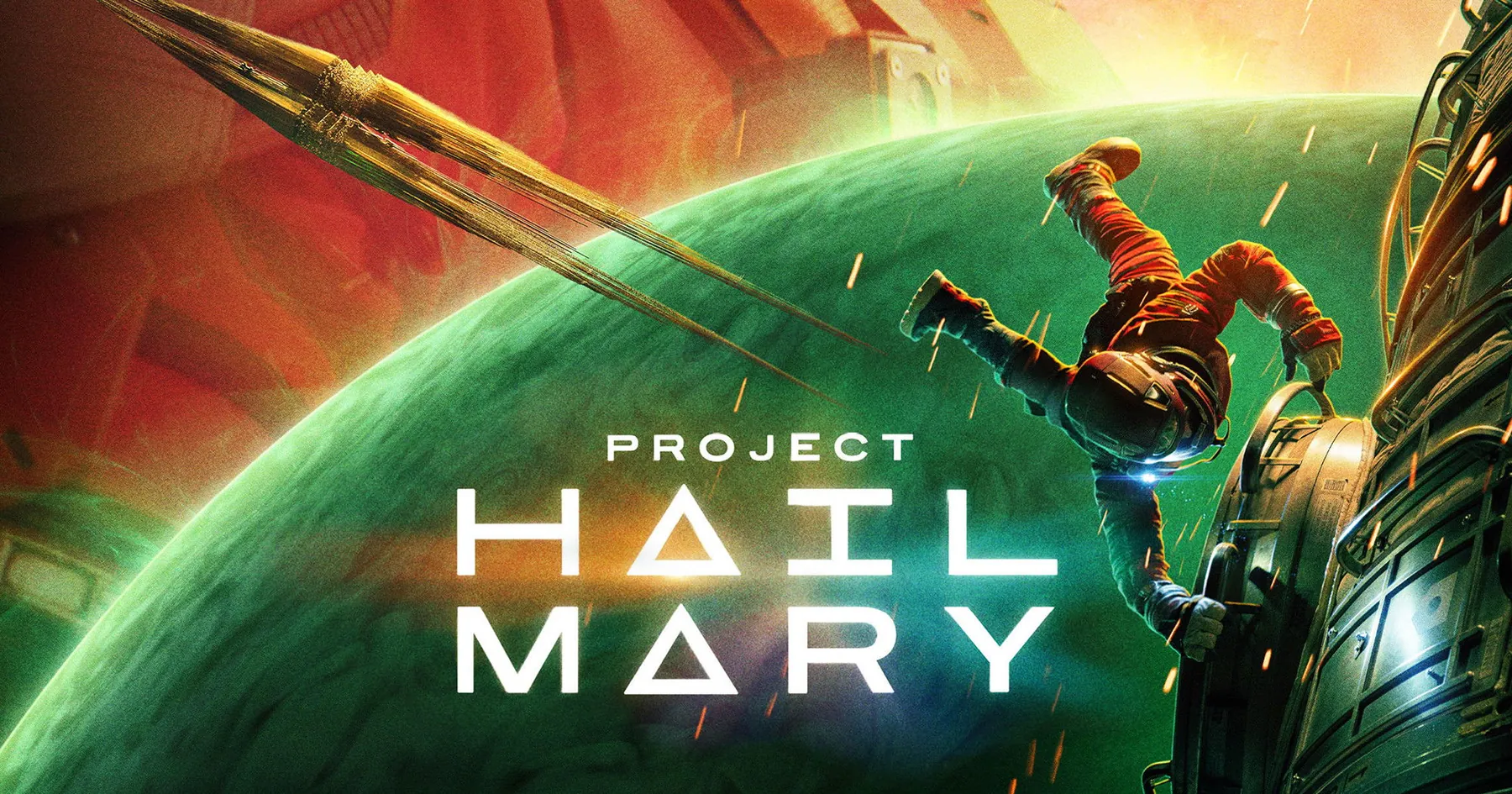
I caught Project Hail Mary in 4DX last weekend. Here are some scattered thoughts — not so much a proper review as a 4DX field report and a detour into what happens when a title's entire meaning evaporates across languages.
© 2026 CTMG. All Rights Reserved.
The 4DX Experience
My last 4DX movie was Godzilla Minus One, two years ago. That one was relentless — every footstep shook the floor, the roars rattled your chest, and the ocean scenes drenched you with mist. It felt less like a movie and more like a two-hour theme park ride. I loved every second.
So going into Project Hail Mary, I was expecting something similar. Instead, the first act is... quiet. It's just Grace (Ryan Gosling), alone, floating in space. I started wondering if I'd picked the wrong format.
Then Rocky shows up, and things escalate fast. The descent to Adrian had me gripping my armrests. 4DX really shines in the space sequences — the seat tilts and sways gently when the ship maneuvers, giving you this subtle sense of weightlessness. (Fair warning: you might get motion sick.)
Director Chris Miller himself described it well in this video:
The whole movie is, like, this big roller coaster emotional experience. Tense. It's exciting. There's peril. There's adventure. You can feel the weightlessness when you're in outer space.
He's pushing the IMAX 70mm experience, but honestly, 4DX is a fantastic way to see this film too.
What "Hail Mary" Sounds Like in Japan
Here's something you probably never think about: the title Project Hail Mary is a masterpiece of naming. It tells you everything — the desperation, the prayer, the impossibly long odds. You hear "Hail Mary" and you instantly get the football metaphor, the religious undertone, the whole vibe of humanity's last-ditch effort.
Now imagine you've never watched a single football game in your life. You've never been to church. "Mary" is just a foreign name, and "Hail" means nothing to you.
That's what it's like for a Japanese audience.
The Japanese title is Purojekuto Heiru Meari — a phonetic transcription of the English, rendered in katakana. It carries zero meaning. No desperation. No prayer. No cultural resonance. Just a string of syllables that sound vaguely foreign.
I'd estimate less than 1% of the Japanese audience catches the reference. The rest just accept it as an arbitrary title, the way you might accept a Japanese movie called Kaze no Tani no Naushika without knowing it evokes the mythological princess of the Phaeacians.
The novel's been available in Japanese for years (published by Hayakawa, the powerhouse of translated sci-fi), and they used the same phonetic title, so the movie just followed suit. But it does make me wonder: how much of the story's thematic DNA is lost before the audience even sits down?
Meanwhile, Andy Weir's Other Book...
Speaking of Japanese titles — while Project Hail Mary kept the English title as-is, Andy Weir's other adaptation The Martian was released as Odyssey in Japan. Not The Martian. Not the Japanese novel title The Man on Mars. Just... Odyssey. Imagine if your local theater renamed Interstellar to Space Journey for no apparent reason. That's the level of inconsistency we're dealing with.
(And now Christopher Nolan is literally making a movie called The Odyssey. Good luck to whoever handles the Japanese release.)
The Grace / "Full of Grace" Thing
You've probably already noticed this, but the protagonist's name is itself a wink — "Hail Mary, full of grace." Andy Weir is not above a dad joke, and honestly, I respect that. In Japanese, this wordplay is completely invisible. "Grace" is just another foreign name, and the Ave Maria connection flies over everyone's head.
What I Haven't Written About
I realize I've said nothing about the actual movie. It's genuinely great — one of the best sci-fi films in years, with a story that earns every emotional beat. But that's a post for another day.
This one was about the space between languages — the things that don't survive the crossing.